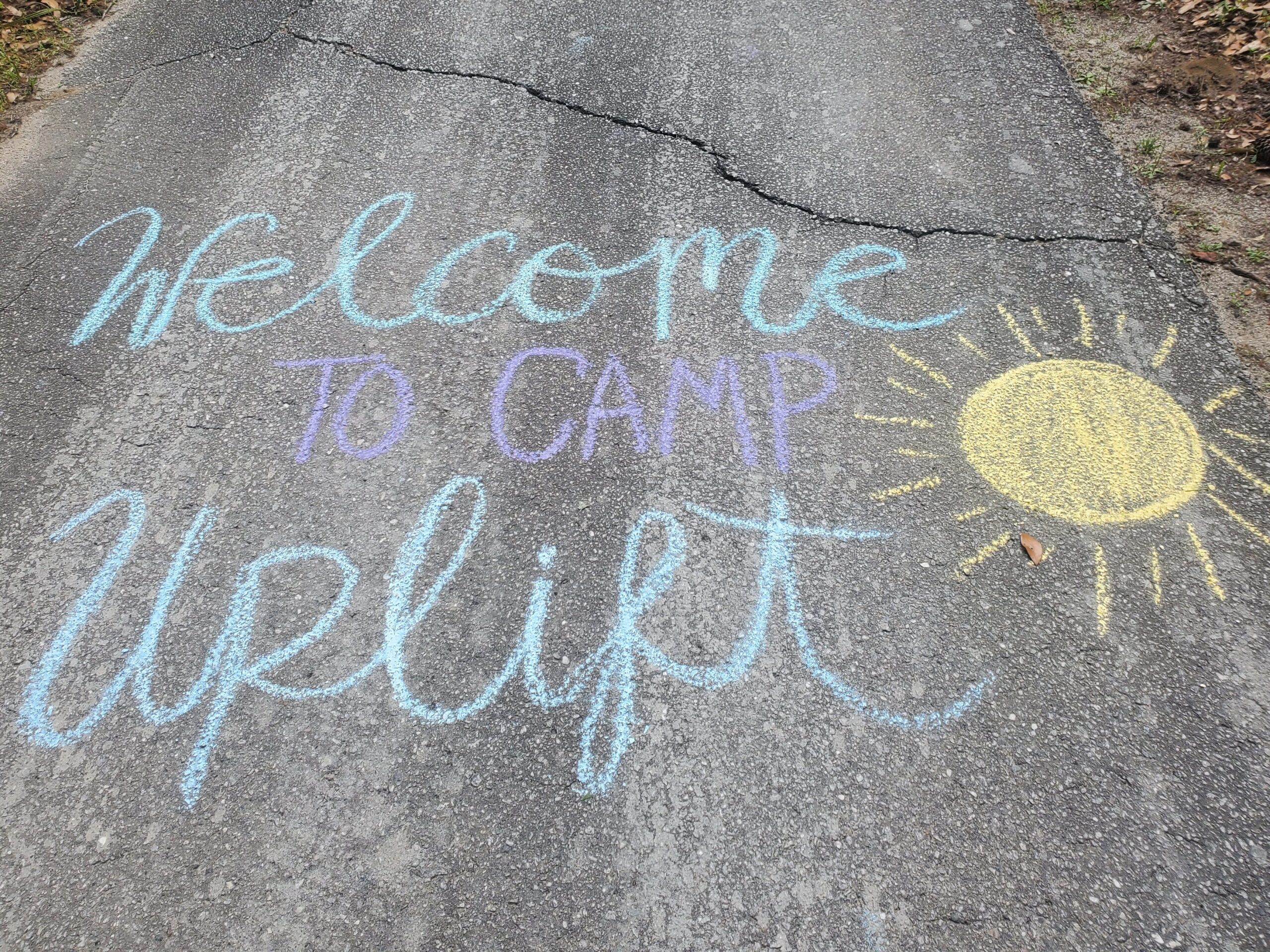
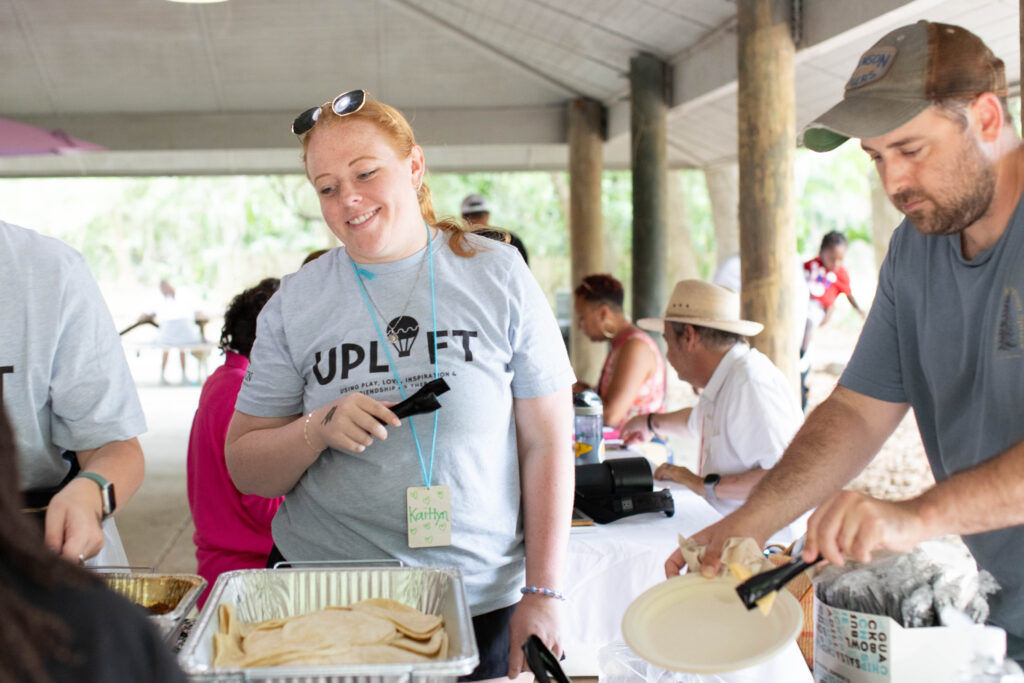
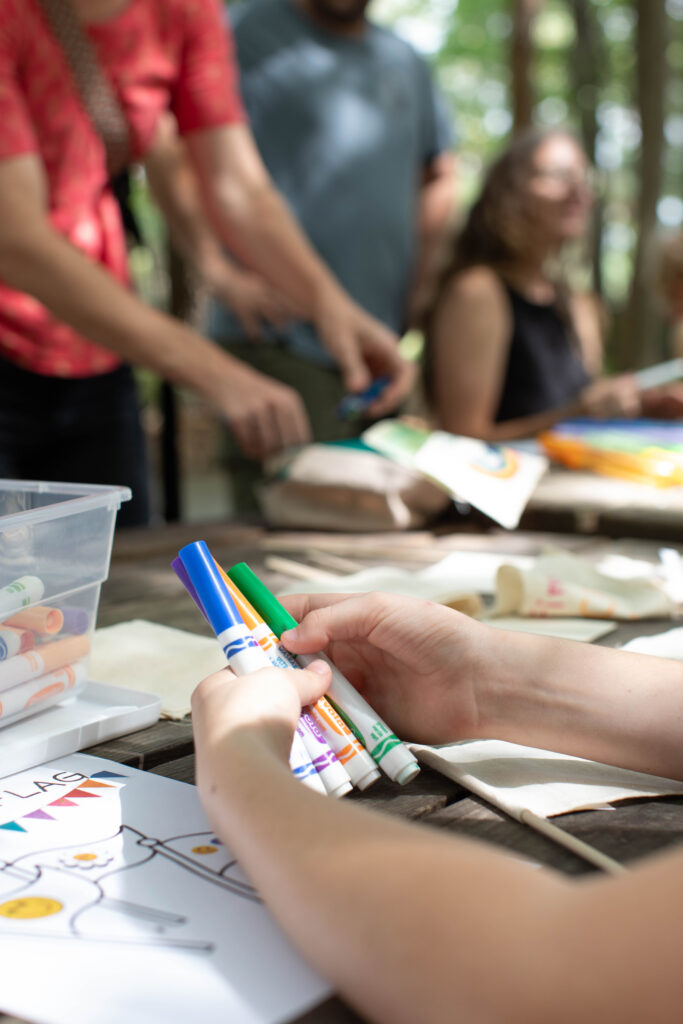
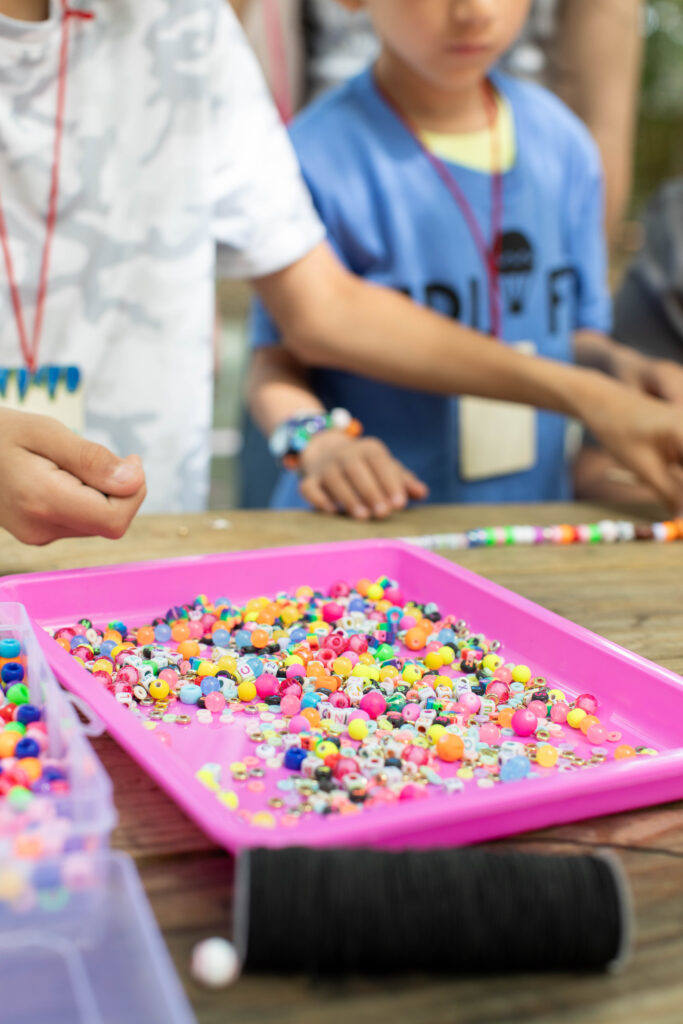
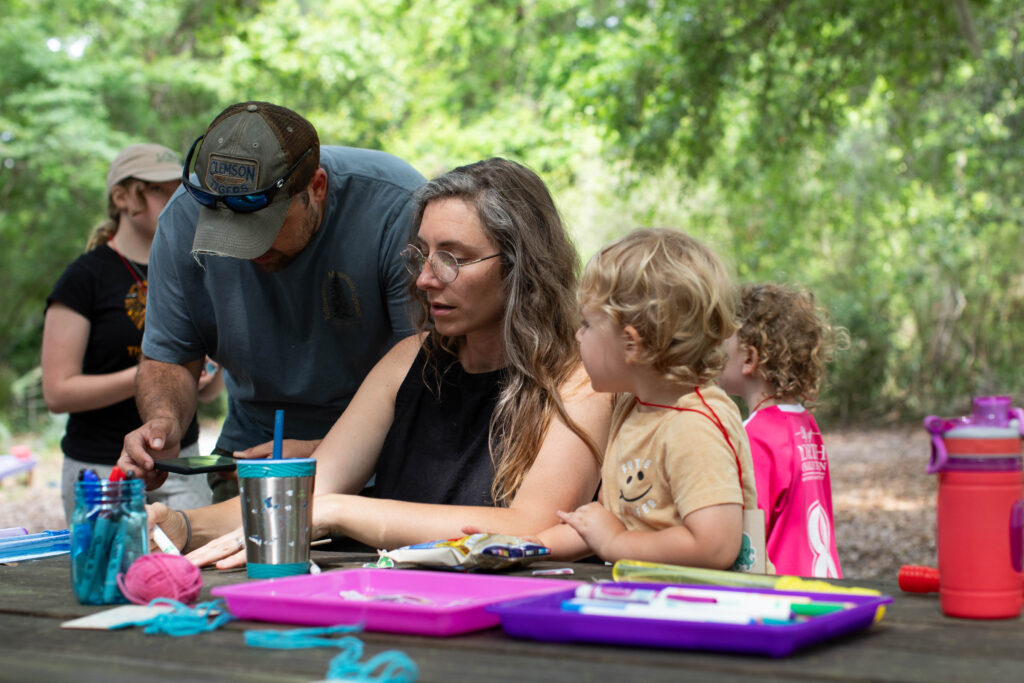
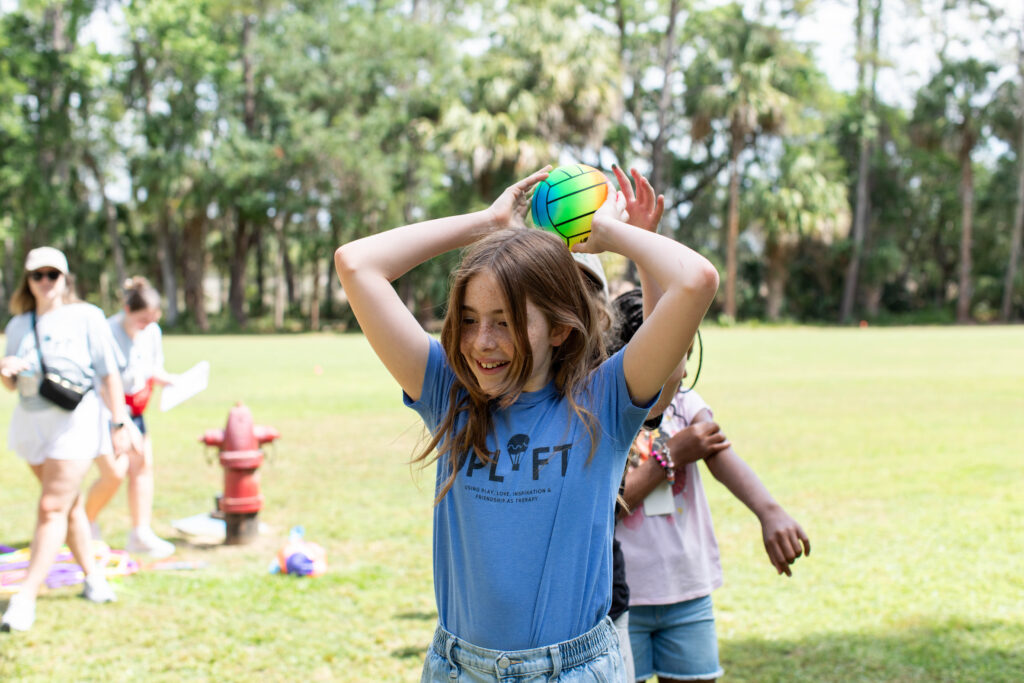
One of the biggest factors in preserving our daughter’s mental well-being through this experience with Butler’s cancer, is The Lonon Foundation. About a month or so after Butler came home from the hospital, I received a phone call from one of the child life specialists with the foundation. It was a lovely phone call and I was quickly relieved to have an outlet for Ella. The Lonon Foundation was created in 2016 after the founder, Anna Lonon, lost her husband to cancer. She had 2 children to raise after the loss of her husband, and she realized there was a need for children who have a parent battling cancer. Anna herself is also a breast cancer survivor! The Lonon Foundation has a wonderful program for children ages 5-17 called Uplift (Using play, love, inspiration, and friendship as therapy.) The program runs August – May, providing free in person and virtual events, allowing children and their families to connect with others also battling cancer. The program also gives children and their families the chance to “escape” the every day stresses that come with cancer.
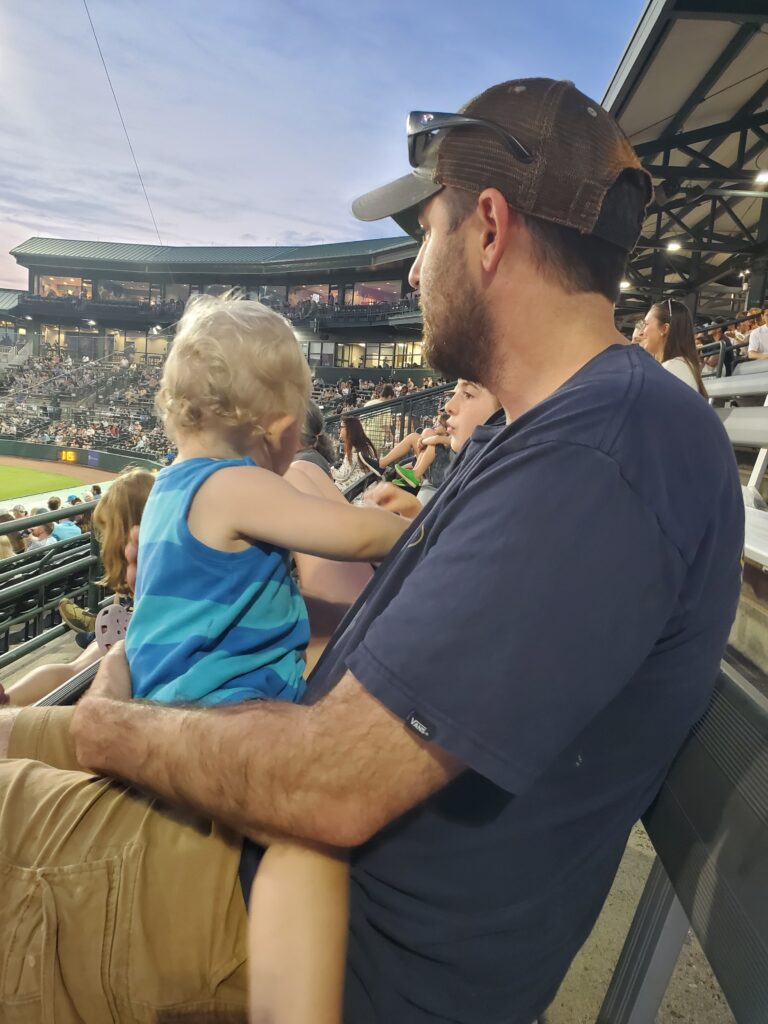
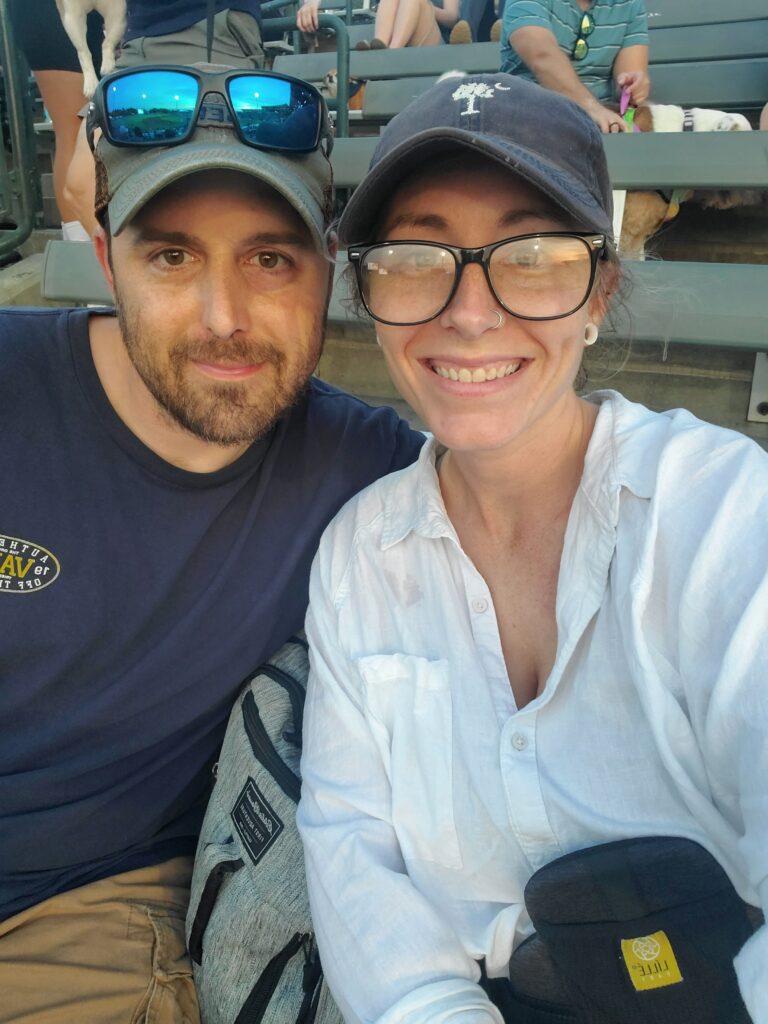
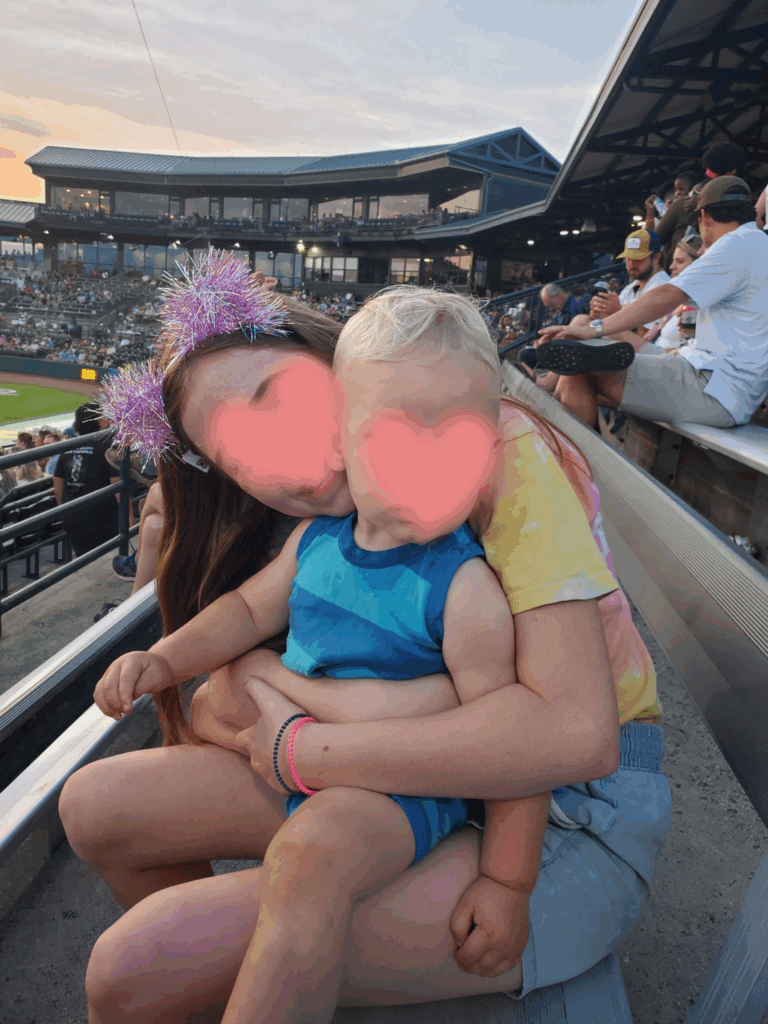
The first blessing we received from the Lonon Foundation was a family resource kit in the mail. It contained little fidget toys like pop its, mindfulness cards, and resource books for both the child and parent (both of which continue to be helpful for us and Ella.) Ella’s book provided her with stories from other kids and teens who have had a parent dealing with cancer, and my book gave me ideas and ways to discuss the situation at hand with her. We found so much value in those books! The books are listed here: 1) My Parent Has Cancer and it Really Sucks: A Guide for Teens by Marc and Maya Silver 2) How to Help Children Through a Parent’s Serious Illness By Kathleen McCue. Our first in person outing with Uplift was at a Riverdogs Game in the spring of 2024. We all went together as a family, and I really appreciated that our 1 year old son was able to go and experience everything as well. It provided us a wonderful opportunity to spend time together as a family, which we would not typically have been able to afford on our own. When we found out about Butler’s cancer, our business took a huge hit, ultimately closed, and we have been in a place of financial struggle ever since. I don’t know if other families experience the same financial hardships we have, but the family outings we have been able to experience through Uplift have been invaluable to us.
Another wonderful resource The Lonon Foundation offers is their mini-grant program in which families within the foundation can apply for periodically. Families can receive up to $500 to go towards things like the children’s extracurriculars, schooling, counseling/grief services, gas, medical expenses, etc. Families who are members of the Uplift Program qualify for the mini grant. Our family has been awarded the grant in the past and it was so incredibly helpful during the financial stresses our family has endured.
Before my family’s life was so deeply affected by cancer, I had never known anyone personally who battled it. It always felt like something that happened to other people, specifically older people. Never in my life did I think it would so badly affect my husband at such a young age. The reality is, cancer rates are rising, with now 1 in 2 people eventually being diagnosed. Cancer is also reaching people who are much younger now, and those people have young children, and families they are trying to raise. Those children and families need resources, and people to connect to. Butler’s father passed away from the same brain cancer he now battles in 1999, when Butler was just 8 years old. Even as an adult, I see how losing his father has affected him, and how it affects his daily life. Resources like The Lonon Foundation were not available when Butler was a little boy. I often find myself wishing he had that kind of outlet as a young boy, because I know the pain he endured. I have become so passionate about the Lonon Foundation for that very reason, and I am thankful everyday that my children have such an amazing outlet for themselves. You can have the most healthy environment for your children to grow up in, the most support you can offer in those trying times, but children are wildly perceptive and they feel everything.
This month, on June 21st, our family is looking forward to a soccer game at the Charleston Battery as the Lonon Foundation is honored as the community hero of the match. A portion of each ticket sale will support the foundation’s mission to help children heal after a parent’s cancer diagnosis! You can click the link below to purchase your ticket, and help support the Lonon Foundation: https://pa.exchange/marketplace/9d48269a-e4d3-11ef-a441-6b5302fe402d/storefront/9d482884-e4d3-11ef-9baf-fde89e156854?fbclid=PAZXh0bgNhZW0CMTEAAafouYi_ANxJ00dXss4oJaOOIxgDAyQ5NKJ8ZMlI22xr3djeEf14gLwHh3mAAg_aem_-y5-sK1EpcEgvP8tso7DXA
The Lonon Foundation and the Uplift program have been invaluable to our family. My children, myself, and my husband all benefit greatly from it and I am so thankful they found us! If you have been diagnosed with cancer, or know someone who has and they have children, I definitely recommend letting them know about the Lonon Foundation. You can donate to The Lonon Foundation and help support their mission by clicking the link here: https://www.thelononfoundation.org/get-involved/donate/