Category: Brain Cancer

  • Graham Family Baby and Brain Cancer: An Update

    It has been a LONG time since I’ve written a post – and that was not my intention with this blog. But, I’m honestly terrible with keeping up with things online; it doesn’t always come naturally to me. On top of that, we spent the month of July moving, working, going to appointments, and my laptop broke – rendering me useless as far as the blog goes. July was a hectic month to say the least! We are now finally settled in our new home and getting into a routine again. Every time I have been pregnant, we have moved. This time however, I was the most pregnant I have ever been during a move, and the bulk of our move happened during the hottest week of the year. We are thankful that is all behind us now.

    The kids are SO happy to have this new house. Thomas has his own bedroom, and they have a huge backyard to play in.

    As I write this, I am 27(ish) weeks pregnant. On July 3rd, we had our anatomy scan which is what would tell us if there were any abnormalities or problems with development with this baby. There was a lot of stress surrounding the possibilities of abnormalities with the baby, just because we knew it was conceived while Butler was on chemo. I actually had a midwife list me as high risk as soon as she found out about the conception of this baby before she had any actual information on the health of this baby, but that’s a story for a different day. We are so happy to report that baby Graham #3 is developing exactly as it should and is perfectly healthy. There is no reason to continue to stress or have more in depth, unnecessary ultrasounds. So to say we are relieved is an understatement, and it just adds to the list of miracles our family has experienced.

    We are also so happy to announce that baby Graham #3 is…. a BOY!!! We found out the gender on the same day as the anatomy scan. It truly was an emotional day in the best way. The following day we announced the gender to our family. We have no idea as to what we are going to name this baby, nothing seems to feel right. Except for Oliver, but we know so many people who have named their children and dogs Oliver so we just aren’t sure. We do know the baby’s middle name will be James, after the middle name of Butler’s Uncle Herman.

    In other wonderful news, the last 2 MRI’s Butler has had has come back clean. His last MRI was on Friday August 15th, and when I read the results in his Mychart, it didn’t even mention his cyst! So i’m not sure if maybe the cyst is completely gone, or if it’s just shrunk to such a small size that it’s not worth mentioning at this point. Since April of 2024, this cyst has been shrinking. It is a cyst filled with spinal fluid that is located in the resection cavity where the tumor originally was. At the time, his neurosurgeon wanted to remove the cyst because he did not like the size of it. He never got to remove it though, because every MRI since has shown it shrinking, nothing short of a miracle.

    I don’t know if I have ever witnessed such a string of miracles before. My family sure has endured so much hardship the last couple of years, but that does not mean that our life has not been full of miracles. From Butler’s survival, surpassing his prognosis, completing chemo and being healthy, to the conception and perfect health of this sweet baby I am growing. We will never not recognize the blessings that have been bestowed upon us.

    I am slowing down on working as the baby (and my body) grows. This has been the hardest pregnancy I have endured, and it’s simply because of the physical labor required by my job and the string of simple but annoying side effects. I am very well aware this pregnancy could be much more difficult, but in comparison to my last 2 pregnancies, this one is hard. Butler got a job in recent months as a sale’s rep for a food service company, which I think is great for his self esteem as well as his brain. It’s a good mental work out. This week Ella is starting her 6th grade year, our 6th year of homeschooling. We are trying out a new online curriculum called Miacademy, which hopefully will be more flexible for me, what with a toddler in tow and an infant on the way. She also started 12U softball last week, and we have learned that Thomas is apparently a natural at soccer.

    Thomas loves watching Ella play softball and is one of her biggest supporters

    Our family is slowing down, getting back into routine, and preparing for the arrival of our new family member. September is full of events with Butler’s birthday, my baby sprinkle, maternity photos, and other things I cannot think of right now. We will blame it on pregnancy brain! As always, thanks for being here. <3
  • Why we love The Lonon Foundation & how it helps our daughter thrive through her dad’s cancer

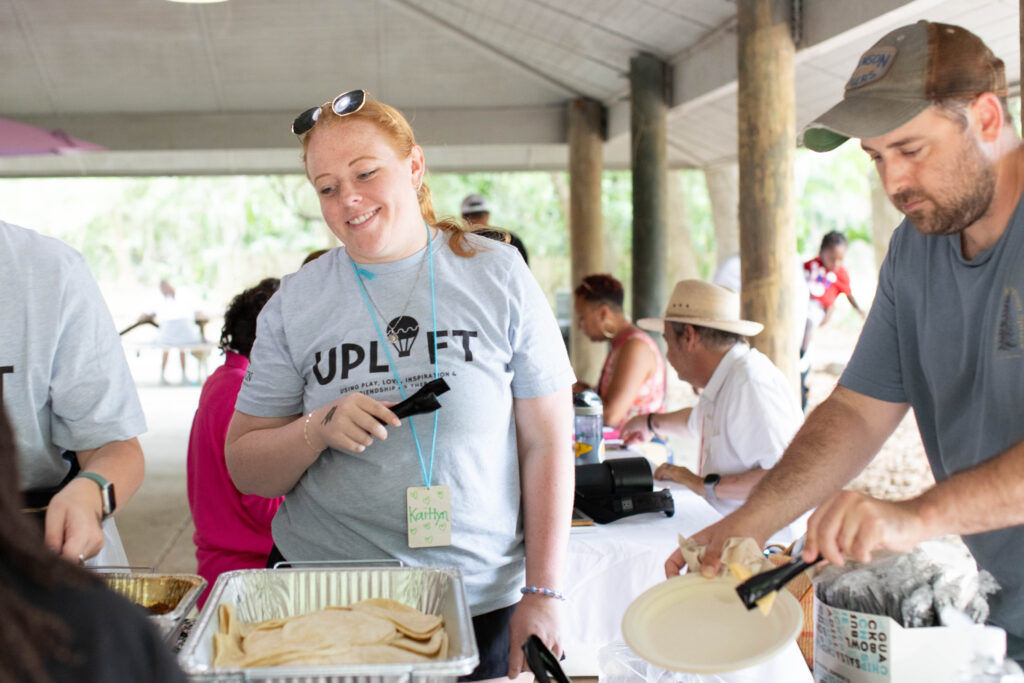
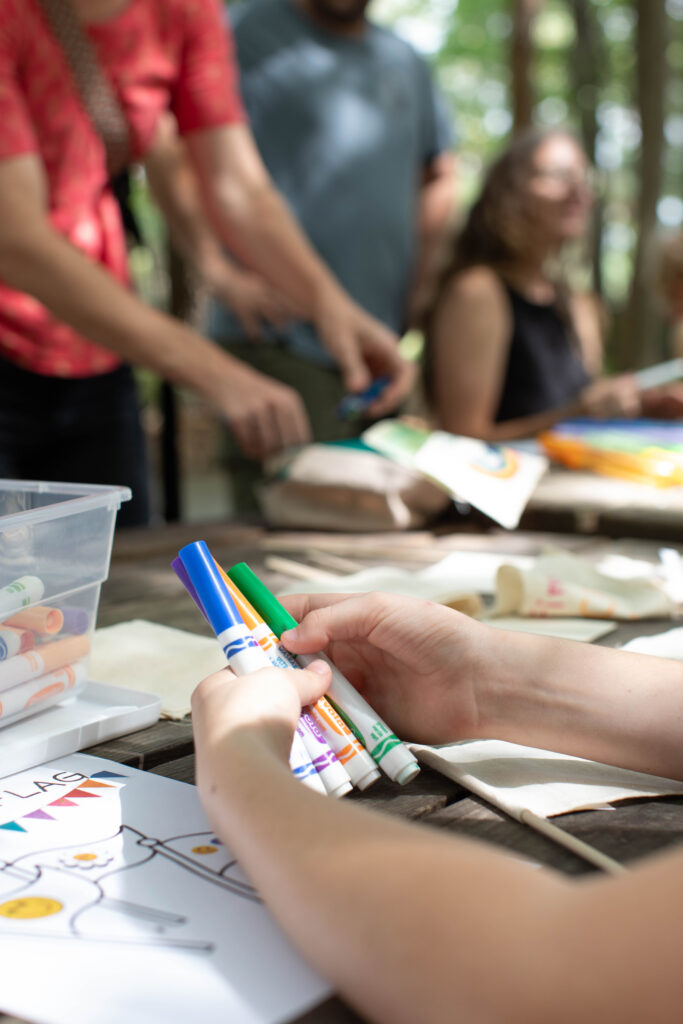
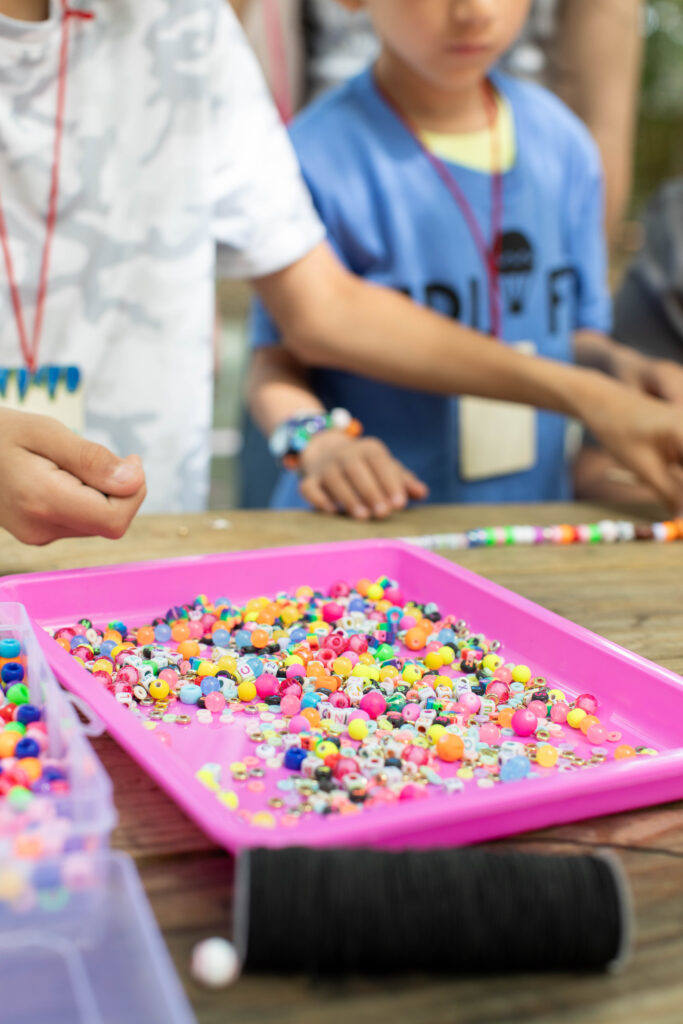
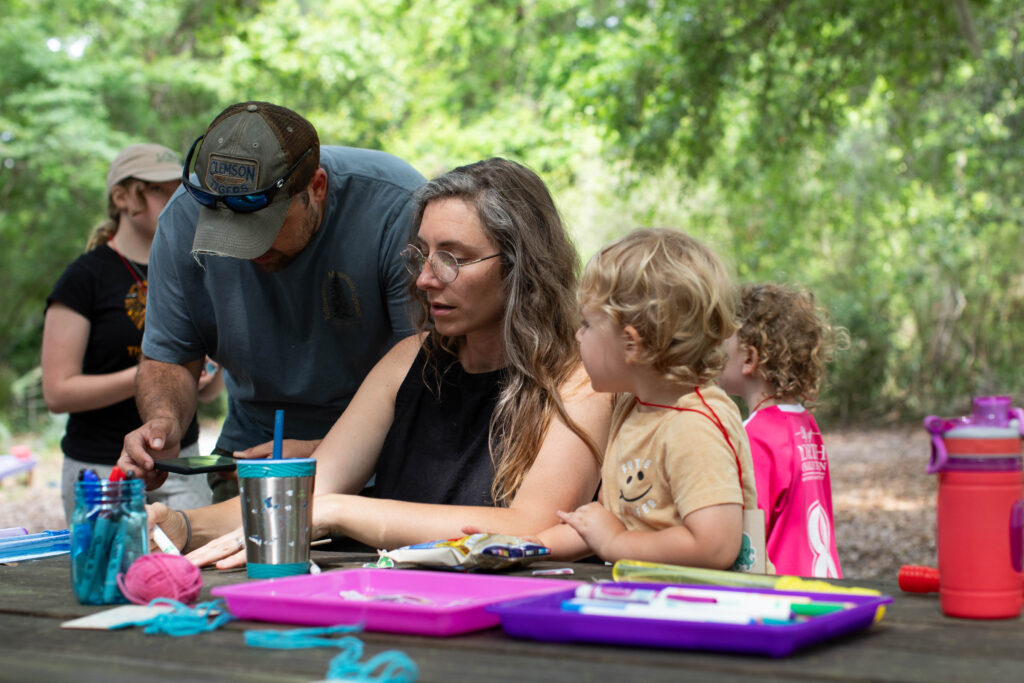
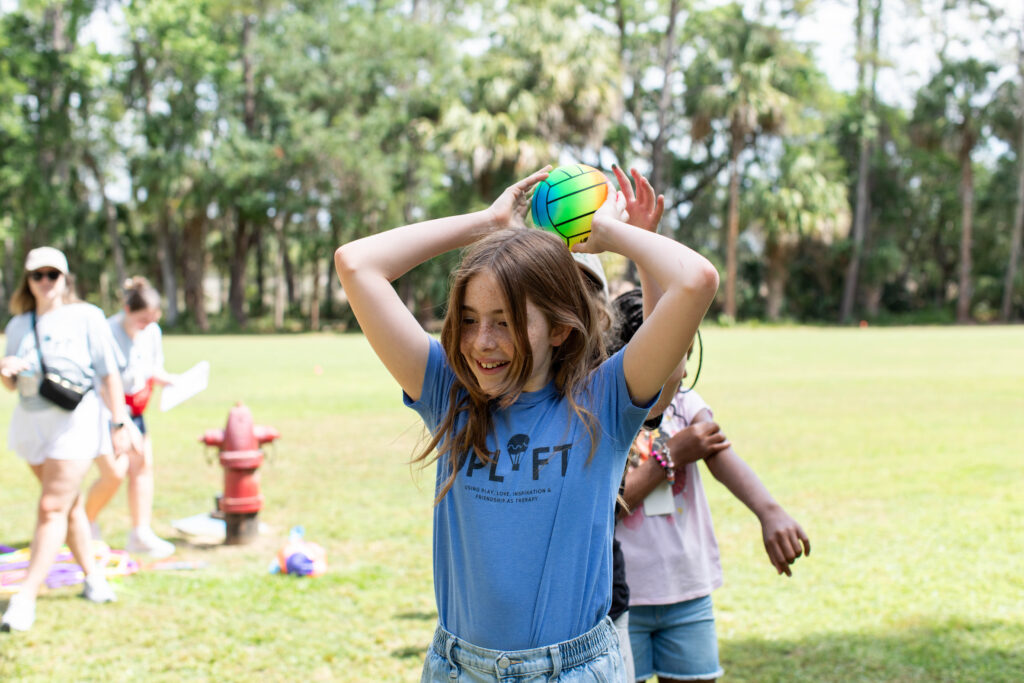
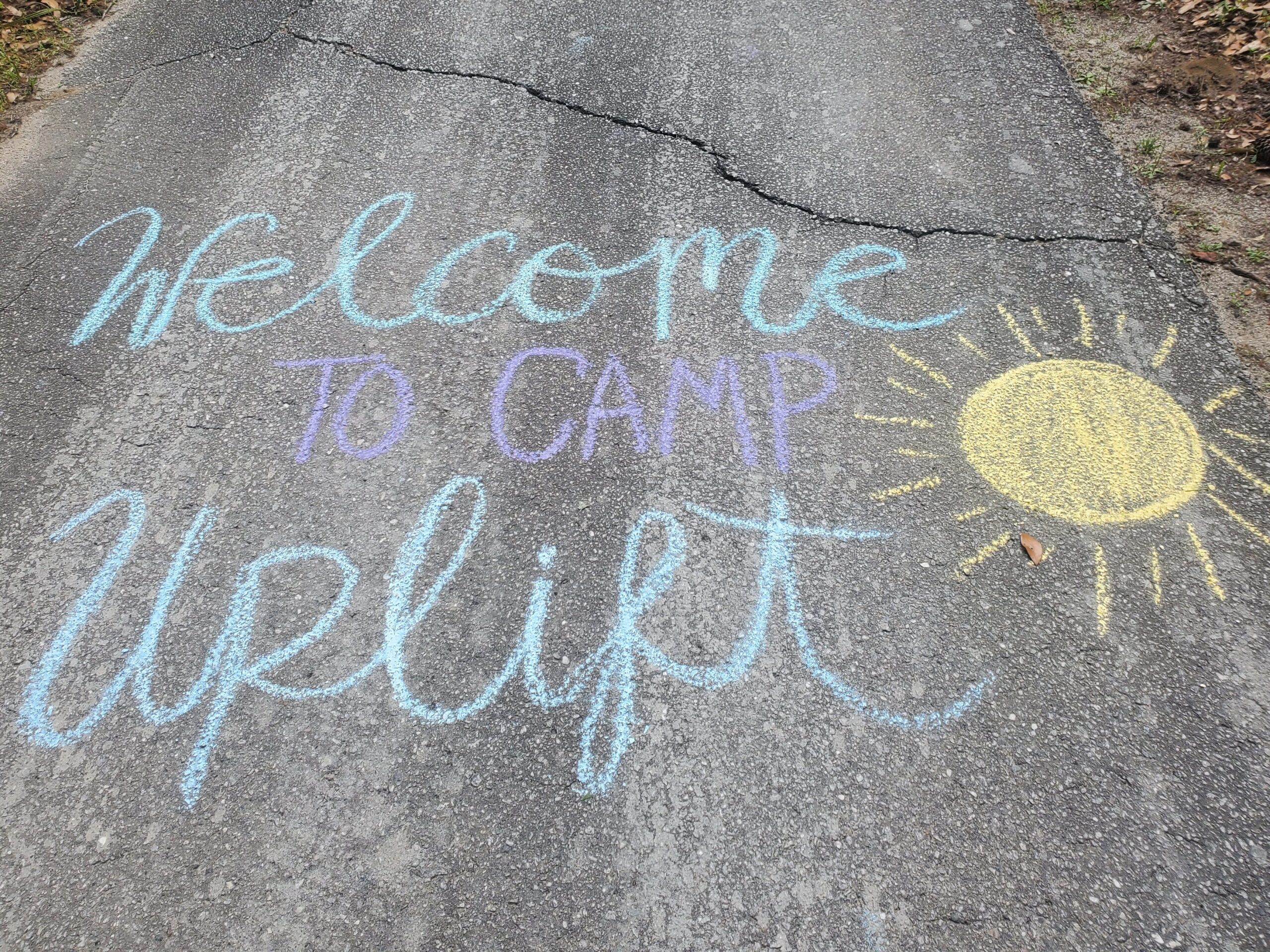
    One of the biggest factors in preserving our daughter’s mental well-being through this experience with Butler’s cancer, is The Lonon Foundation. About a month or so after Butler came home from the hospital, I received a phone call from one of the child life specialists with the foundation. It was a lovely phone call and I was quickly relieved to have an outlet for Ella. The Lonon Foundation was created in 2016 after the founder, Anna Lonon, lost her husband to cancer. She had 2 children to raise after the loss of her husband, and she realized there was a need for children who have a parent battling cancer. Anna herself is also a breast cancer survivor! The Lonon Foundation has a wonderful program for children ages 5-17 called Uplift (Using play, love, inspiration, and friendship as therapy.) The program runs August – May, providing free in person and virtual events, allowing children and their families to connect with others also battling cancer. The program also gives children and their families the chance to “escape” the every day stresses that come with cancer.

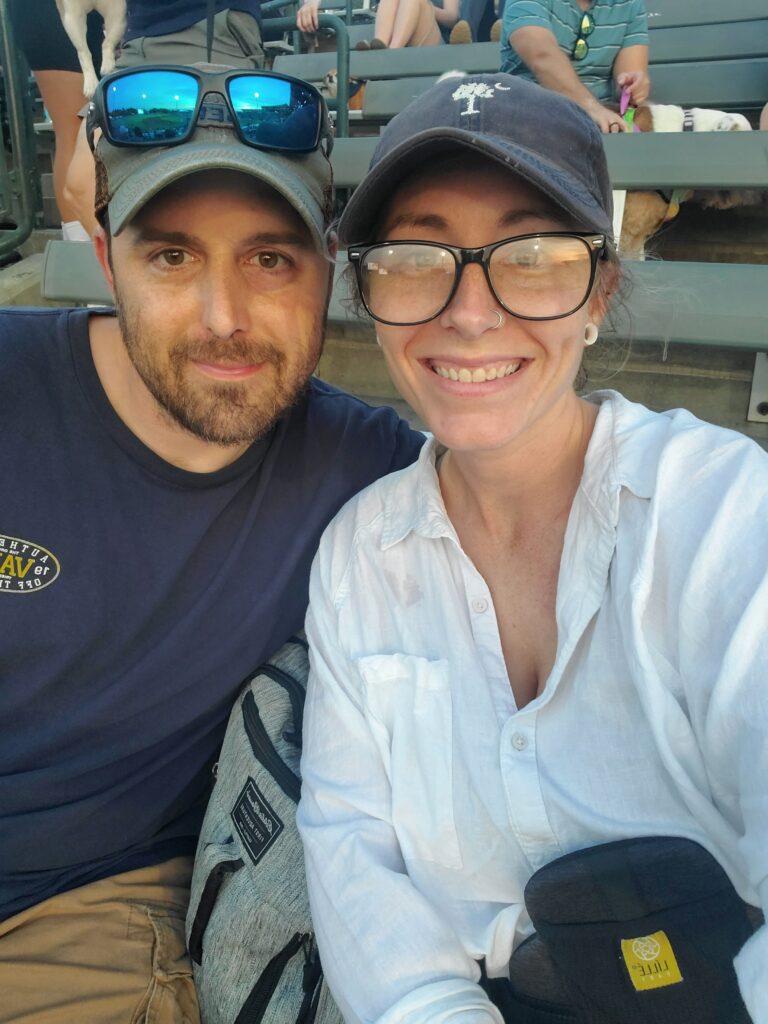
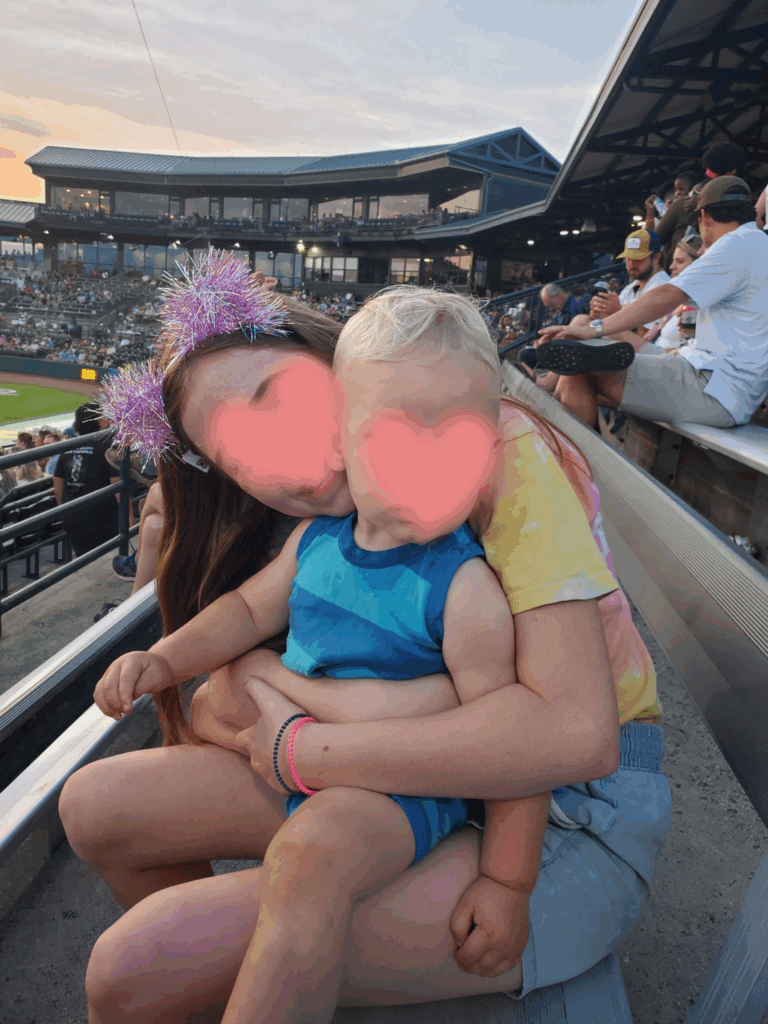
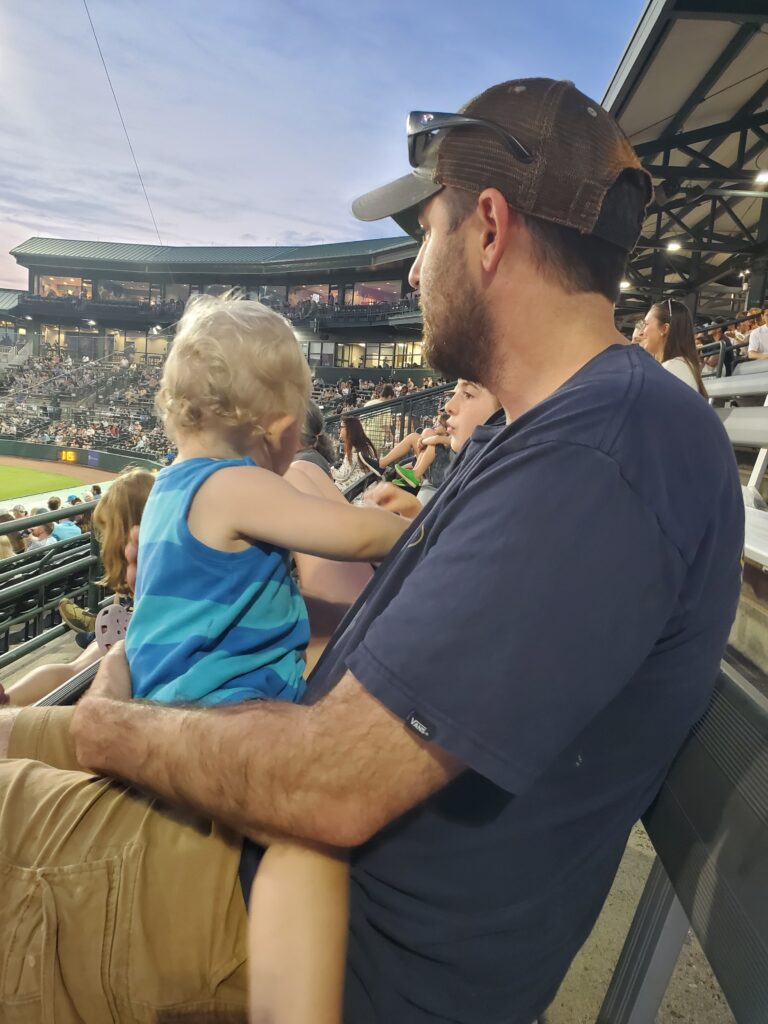
    The first blessing we received from the Lonon Foundation was a family resource kit in the mail. It contained little fidget toys like pop its, mindfulness cards, and resource books for both the child and parent (both of which continue to be helpful for us and Ella.) Ella’s book provided her with stories from other kids and teens who have had a parent dealing with cancer, and my book gave me ideas and ways to discuss the situation at hand with her. We found so much value in those books! The books are listed here: 1) My Parent Has Cancer and it Really Sucks: A Guide for Teens by Marc and Maya Silver 2) How to Help Children Through a Parent’s Serious Illness By Kathleen McCue. Our first in person outing with Uplift was at a Riverdogs Game in the spring of 2024. We all went together as a family, and I really appreciated that our 1 year old son was able to go and experience everything as well. It provided us a wonderful opportunity to spend time together as a family, which we would not typically have been able to afford on our own. When we found out about Butler’s cancer, our business took a huge hit, ultimately closed, and we have been in a place of financial struggle ever since. I don’t know if other families experience the same financial hardships we have, but the family outings we have been able to experience through Uplift have been invaluable to us.

    Another wonderful resource The Lonon Foundation offers is their mini-grant program in which families within the foundation can apply for periodically. Families can receive up to $500 to go towards things like the children’s extracurriculars, schooling, counseling/grief services, gas, medical expenses, etc. Families who are members of the Uplift Program qualify for the mini grant. Our family has been awarded the grant in the past and it was so incredibly helpful during the financial stresses our family has endured.

    Before my family’s life was so deeply affected by cancer, I had never known anyone personally who battled it. It always felt like something that happened to other people, specifically older people. Never in my life did I think it would so badly affect my husband at such a young age. The reality is, cancer rates are rising, with now 1 in 2 people eventually being diagnosed. Cancer is also reaching people who are much younger now, and those people have young children, and families they are trying to raise. Those children and families need resources, and people to connect to. Butler’s father passed away from the same brain cancer he now battles in 1999, when Butler was just 8 years old. Even as an adult, I see how losing his father has affected him, and how it affects his daily life. Resources like The Lonon Foundation were not available when Butler was a little boy. I often find myself wishing he had that kind of outlet as a young boy, because I know the pain he endured. I have become so passionate about the Lonon Foundation for that very reason, and I am thankful everyday that my children have such an amazing outlet for themselves. You can have the most healthy environment for your children to grow up in, the most support you can offer in those trying times, but children are wildly perceptive and they feel everything.

    This month, on June 21st, our family is looking forward to a soccer game at the Charleston Battery as the Lonon Foundation is honored as the community hero of the match. A portion of each ticket sale will support the foundation’s mission to help children heal after a parent’s cancer diagnosis! You can click the link below to purchase your ticket, and help support the Lonon Foundation: https://pa.exchange/marketplace/9d48269a-e4d3-11ef-a441-6b5302fe402d/storefront/9d482884-e4d3-11ef-9baf-fde89e156854?fbclid=PAZXh0bgNhZW0CMTEAAafouYi_ANxJ00dXss4oJaOOIxgDAyQ5NKJ8ZMlI22xr3djeEf14gLwHh3mAAg_aem_-y5-sK1EpcEgvP8tso7DXA

    The Lonon Foundation and the Uplift program have been invaluable to our family. My children, myself, and my husband all benefit greatly from it and I am so thankful they found us! If you have been diagnosed with cancer, or know someone who has and they have children, I definitely recommend letting them know about the Lonon Foundation. You can donate to The Lonon Foundation and help support their mission by clicking the link here: https://www.thelononfoundation.org/get-involved/donate/

  • Helping our Daughter Cope with Her Dad’s Brain Cancer

    Ella was 9 years old when her dad was diagnosed with brain cancer. Before his diagnosis, she witnessed him go to the ER after experiencing debilitating migraines for months. She experienced him code while in the hospital, which led to his immediate craniotomy and tumor resection. She saw her dad in ICU, in a coma, and intubated for over a week. She went to bed in my bed with me every night, because we were coming home to a house without her daddy, and we didn’t know if or when he would come home. The one positive, Ella DID also witness her dad’s strength and determination as he learned to walk and function again. All of these events are things a parent hopes their child would never have to experience. You never think when you have children that they could be susceptible to the dark and scary side of life so damn young; that they could one day witness your near death experience. Needless to say, on top of worrying for my husband’s life, I was also extremely worried about Ella’s mental well-being. I didn’t know what to do or how to handle it.

    I made sure to be open and honest with Ella as much as possible. I talked to her every night about her experiences that day, and encouraged her to ask questions. Not long after Butler had his craniotomy, a child life specialist found me in the hospital to ask how Ella was doing. I can only assume one of Butler’s ICU nurses reached out to her for Ella because I didn’t even know such a person existed.

    A child life specialist in a hospital setting is a trained professional who helps children cope with the stress of hospitalization, illness, surgical procedures, etc. They provide emotional support and therapeutic play to promote coping strategies and emotional well-being. We loved the child life specialist who found us. She managed to find Ella where ever we were in the hospital that day and would spend time with her. They would talk about anything Ella wanted, played games, and did crafts. One day they made non-slip socks with puffy paint for Butler, which Ella loved. She never pushed Ella to talk about what she was experiencing with her dad. She also talked to me about ways to help Ella and talk to her myself. It took a lot of pressure off of me, because as much as I wanted to help my daughter, I was no expert in how to handle this with her. We were exploring new territory together.

    We questioned if even telling Ella her father had been diagnosed with cancer was the right thing to do. But her father and I both knew, Ella could handle the truth. We also didn’t want to hide anything from her, and looking back, there was no way we would have ever been able to hide or explain away what was happening to Butler. We agreed to keep her in the loop every step of the way, as long as it was family friendly. Once Butler came home from the hospital and was settled into a routine, we got Ella into therapy. I had already been in therapy for almost 2 years when Butler was diagnosed, and had started my own healing in regards to what we all experienced. Ella was understandably hesitant at first, and it took her a while to open up, but 19 months later, she now actively looks forward to her weekly therapy sessions. We both go together at the same time, but have our own separate sessions. It is nice to experience therapy and healing together, and I think the fact that we do it together helped her warm up to it more.

    In about December of 2023, a woman named Katie (another child life specialist) reached out to me from The Lonon Foundation, and we have been members ever since! They are a local foundation that helps support children ages 5 – 17 who have a parent battling cancer. The Lonon Foundation deserves a blog post of its own, and that will be coming soon. They have been incredibly helpful in providing additional resources in helping Ella cope. We have found books along our journey that have also helped her. There is also a camp called Camp Kesem that is just for children who have a parent battling cancer. They have a week long camp every summer which gives the children to a chance to get away from what they are dealing with and connect with other children going through the same thing. One thing I will say, it must be incredibly lonely for a child that has a parent going through cancer. Chances are, that child doesn’t have friends having the same experience and organizations like the Lonon Foundation and Camp Kesem give those children a chance to make friends who understand what they are going through. Camp Kesem has charters all over the country. You can find out more about Camp Kesem and find a charter near you here: https://www.kesem.org/

    All in all, I can’t say what has worked for our family will work for everyone. I do personally believe in being honest with your kids. They are resilient, and may surprise you at what they can handle. I am glad and content that my husband and I chose to be open with Ella through all of this. It gives our family a chance to bond in ways most other families couldn’t, and I feel like it has given Ella a chance to grow in many ways, especially her strength. I do hope Ella grows up, looks back, and is glad we handled this situation the way we did. All we want is the best for her and to support her through all of this, because her thoughts and feelings matter too.

  • Butler’s Brain Cancer Story – Part 5

    Butler was able to come home about a week before Thanksgiving – his favorite holiday! The day he came home from the hospital was an exciting, yet scary day. I have taken care of my mother in the past after 2 broken hips, and I was more afraid of Butler falling and hitting his head than I was of my mom falling. Everything seemed so fragile and heavy at the same time. He was a fall risk the entire time he was in the hospital, so wasn’t he a fall risk at home? Butler was never a breakfast person, but he worked up quite the appetite in the hospital, and became used to eating breakfast. The first morning he was home, he woke up, and asked me for pancakes, hash browns, eggs, and bacon!! I was amazed, excited (I always told him he needed to eat breakfast), and overwhelmed! Could I make a breakfast that size, every day? What I didn’t know at the time, was he was still in a period of deep healing, which required lots of nutrients, and rest. I was happy to do everything I could to help the healing process along, no matter how overwhelming. We made it through that period just fine.

    I was never prepared for the amount of sleep he would be sleeping. He slept all the time, which considering everything he had gone through, made sense. Almost immediately, we had occupational therapy, physical therapy, speech therapy, and a home nurse set up and coming to our home fairly often. There was so much going on when he first got home. Everything was overwhelming for me, for him, for the kids. Too many people in the house, too many sounds, too much going on overwhelmed Butler greatly. On Thanksgiving day, my family and his family came together at his moms house to eat. He spent the majority of that time sleeping in his moms room. It was a different Thanksgiving than what we usually experience, but we were just happy to have him under the same roof as us. If he wasn’t doing some kind of therapy or eating, he was sleeping. This went on for a few months after he came home, and it honestly got to a point where it greatly concerned me. I wondered if it was normal for him to be sleeping like he was months after his surgery. I wondered, if this was our new normal.

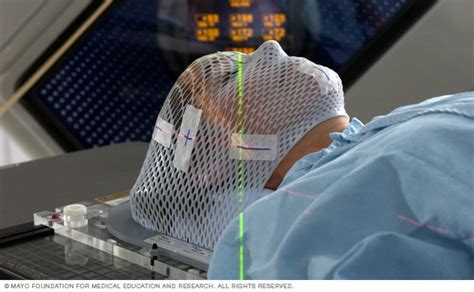
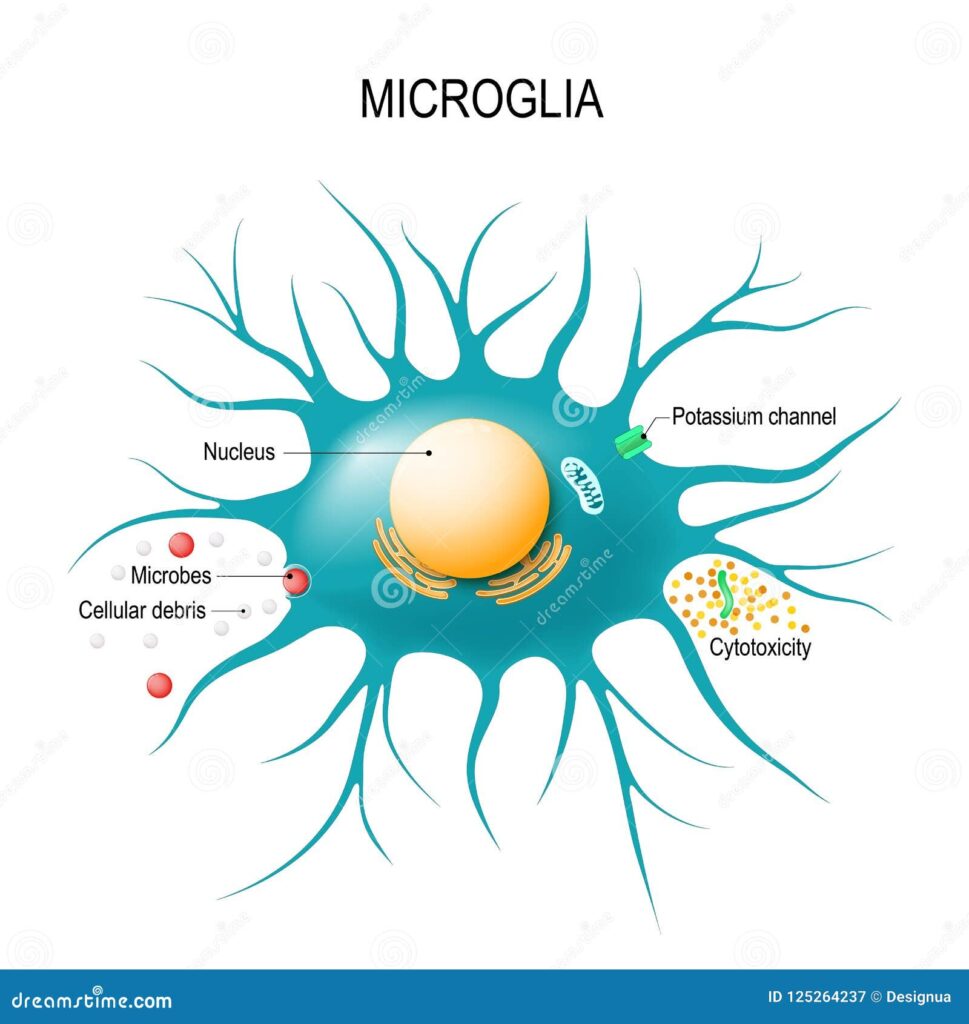
    Butler’s treatment consisted of one month of daily radiation (45 minutes daily, Monday through Friday) alongside one month of daily Temozolomide (Chemotherapy – this was a daily pill, not an infusion.) The radiation treatment was incredibly uncomfortable for Butler. You cannot move during your radiation treatment, and the location where the radiation hits has to be exact every single time. To ensure this, Butler was fitted with a plastic mask that was molded to his head. It covered his entire head, part of his neck, and would be strapped down to the table while he was in it so he could not move. It was imperative that the treatment be precise. I remember his beard was so long and thick when he was fitted for his mask, that he couldn’t trim it the entire month he did radiation to ensure it fit exactly as it needed to. The goal of the radiation was to kill any Glial cells that were left behind from the tumor. While the entire tumor was removed, microscopic Glial cells can be left behind, and grow new tumors. Glial cells are cells already in your brain, they serve a purpose, but they have these tentacle like arms all around it that grab onto brain tissue and can cause new growth, so we wanted to eliminate any possibility of Glial cells left.

    Example of a radiation mask for glioblastoma

    Glial cell anatomy

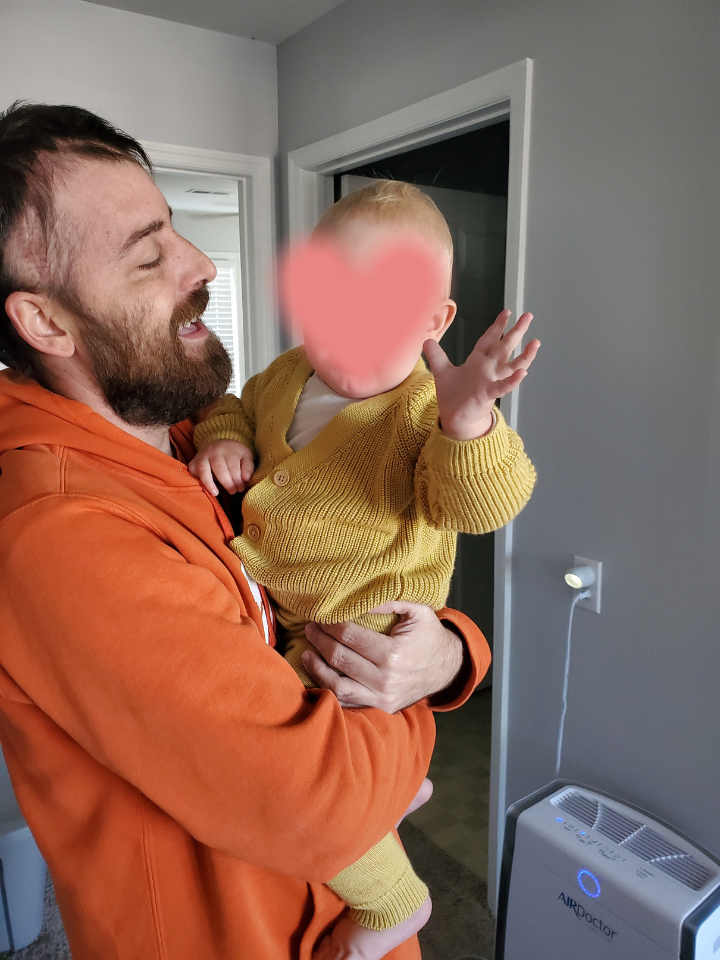
    Butler started his treatment towards the end of December. Every day, we drove to Roper Berkeley, (thankfully we did not have to drive to the Cancer Center in West Ashley every day) for Butler to do his treatment. We did Christmas as usual – mostly- we had family come to our house this time so as to not wear Butler out. We celebrated our daughter’s 10th birthday, a day I was so thankful he was able to be with us for. Things *almost* felt normal. Most of the time, I think people assume chemo makes the patient’s hair fall out. While that is mostly true, it depends on the type of chemo. Butler’s hair fell out from his radiation, and it only fell out where the radiation hit his head. He head a line about 2 inches thick around his head where his hair fell out. He did wind up shaving it more towards the end of his treatment. His scalp became red, flaky, and inflamed from the radiation. I used my homemade Calendula Salve to help soothe it.

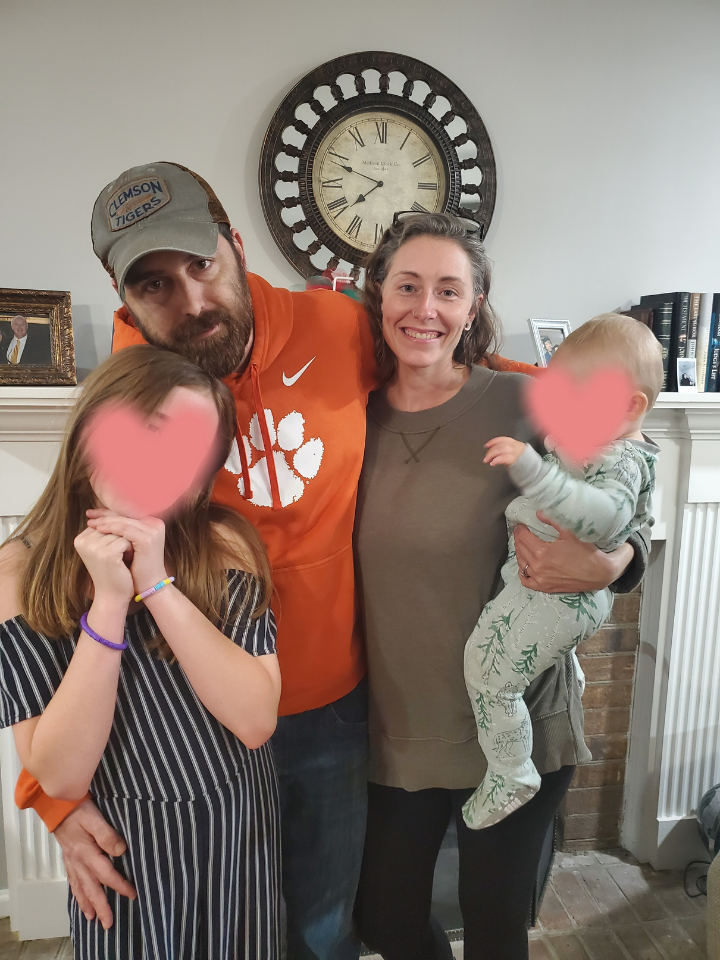
    Ella’s 10th birthday
    You can see where Butler started to lose his hair, and the irritation on his scalp

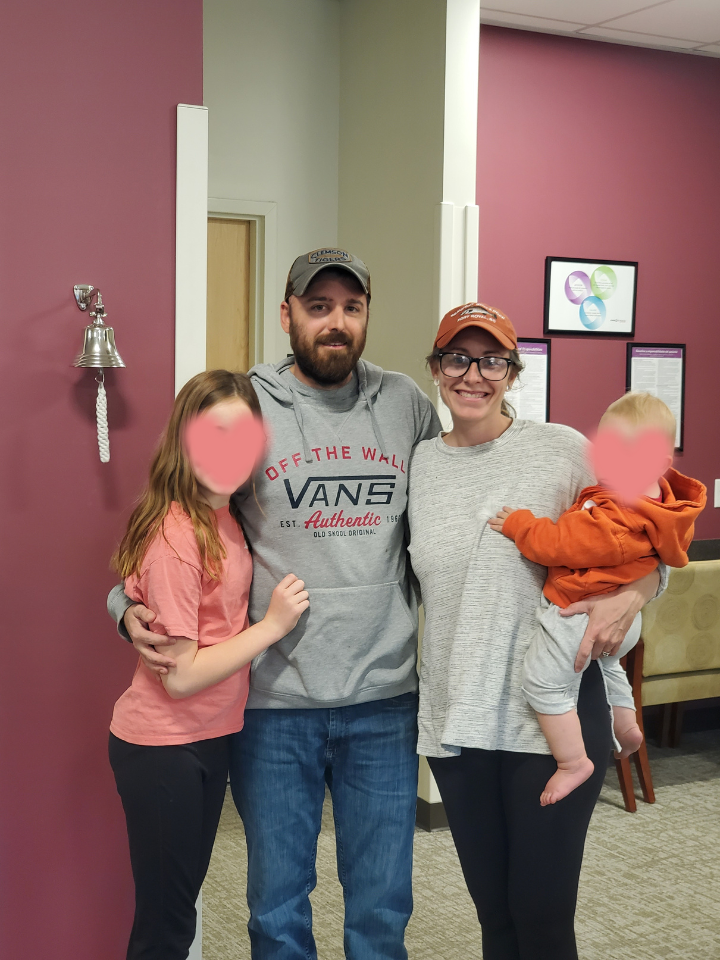
    On January 19th, 2024, Butler completed his radiation treatment, and first month of chemotherapy. He rang the bell at Roper Berkeley, and when we went home that evening, he burned his radiation mask. He took the month of February off to give his body some time to recoup. March 2024 started the long and grueling process of 5 days of chemo every 28 days. We learned, thanks to our Neuro-Oncologist at MUSC, the best time for Butler to take his chemo was at night on an empty stomach. That gave his body a chance to better absorb the chemo. He would take Zofran for nausea about 30 minutes prior to his chemo. We had a great system down. During the weeks he was on chemo, I would try to make dinner earlier so he could eat and give his stomach a chance to digest. I tried to give him the space and grace he needed to get the extra rest he needed during those weeks. The dosage of chemo on his 5/28 rounds was higher than his month of chemo, and around month 6 or 7, his oncologist upped the dosage again. His body seemed to handle the chemo decently well, with exhaustion being the only main symptom. There were a couple of times where he would get pretty sick, and by month 8 he hit a wall where he didn’t know if he could keep going. I told him I would support him no matter what he chose to do. If he chose to end his treatment, I would stay right by his side. This was his treatment, his decision. But the man is strong willed, and he kept pushing through, finishing his treatment in March of 2025. The long, drawn out process was finally over, and on April 21st, he had his first clean MRI post treatment.

    Butler will continue to have routine MRI’s every 2 months or so to monitor his brain.

    Butler’s last day of radiation! 1/19/2024

    I would like to take this opportunity to thank everyone who has prayed for my husband and our family, to everyone who has given to our family. When Butler first went into the hospital, I truly did not know how my family would make it through. There was so much uncertainty and fear, and I have seen firsthand the work of God through this entire situation. I learned we have the most amazing village around us, and it warms my heart like you wouldn’t believe to see the support for our family. We love all of you, and “thank you” will never feel like enough. We are still traveling this road, and will for the rest of Butler’s life; but having the support system we have makes it all the more better.

  • Butler’s Brain Cancer Story part 4

    Throughout the entire process of Butler’s craniotomy & tumor resection, his coma, intubation, and process of getting him off the ventilator and finally on a path to healing, we had not received any information in regards to his tumor. We (not so) patiently waited for news on his tumor, but everything else going on had everyone a bit distracted. A few days after Butler came out of his coma, we received news from his neurosurgeon that they received the test results from his tumor, and we made plans for him to meet and speak with us later that day. This moment felt so heavy as we wondered what news would come from the neurosurgeon. I sat on one side of Butler, and his mom sat on the other side as we waited to hear the words that would forever change our lives. “Butler’s tumor came back as Glioblastoma – brain cancer.” It was like the entire world came crashing down, but the full weight was not felt by me for a while. It took forever for me to process the information that had just been given to me. I watched as Butler and his mom reacted, and I tried to keep my tears inside. Obviously, everyone’s emotions were high. I held Butler’s hand, and said all the things I could think of to bring him comfort. “I’ll be by your side no matter what.” “We are going to make it through this.” What do you say to truly comfort someone who was just diagnosed with a terminal cancer? I was doing everything I could to comfort him, but inside I was falling apart.

    Butler’s father, Marion Graham passed in 1999 from the same cancer, Glioblastoma. After Butler’s official diagnosis, I did as much research as I could. I learned that only 5% of Glioblastoma cases are genetic, and Butler was a part of that 5%. I didn’t need a doctor to tell me that. We also learned after digging further into his lineage that there were other cases of GBM in the family. There are only 12,000 new reported cases of Glioblastoma in the United States every year. This was not a coincidence. His oncologist swore it was not genetic. Fast forward about 6 months later, he comes back and tells us new studies are showing it actually can be genetic. Insert eye roll here. My research also showed the average prognosis of GBM is 6 to 8 months. After the happiness of my husband making it through a brain tumor, a heart attack, and a stroke, we were looking at a very grim outcome. That did not stop our hope, it did not stop Butler’s determination to learn to walk and function again. We kept pushing forward, because we had children depending on us.

    The rest of Butler’s hospital stay consisted of daily physical therapy, occupational therapy, speech, and getting him ready to go home. He was quickly growing tired of being away from his family every night, of eating hospital food, of not being able to go outside. I believe a crucial part of healing is exposure to the sun, and everyone in the hospital who is able should be taken outside for some good old fashioned sunlight. There were 3 times where we were able to get his nurses to wheel him outside for some sunlight exposure. One time was when he was still in ICU, his nurses along with me and the kids wheeled him outside in his recliner. I will never forget the happiness on his face, the joy in my heart. It was like we were taking a walk as a family again. His nurses at Roper St. Francis were seriously top notch, and we will never be able to thank them enough for loving Butler the way they did.

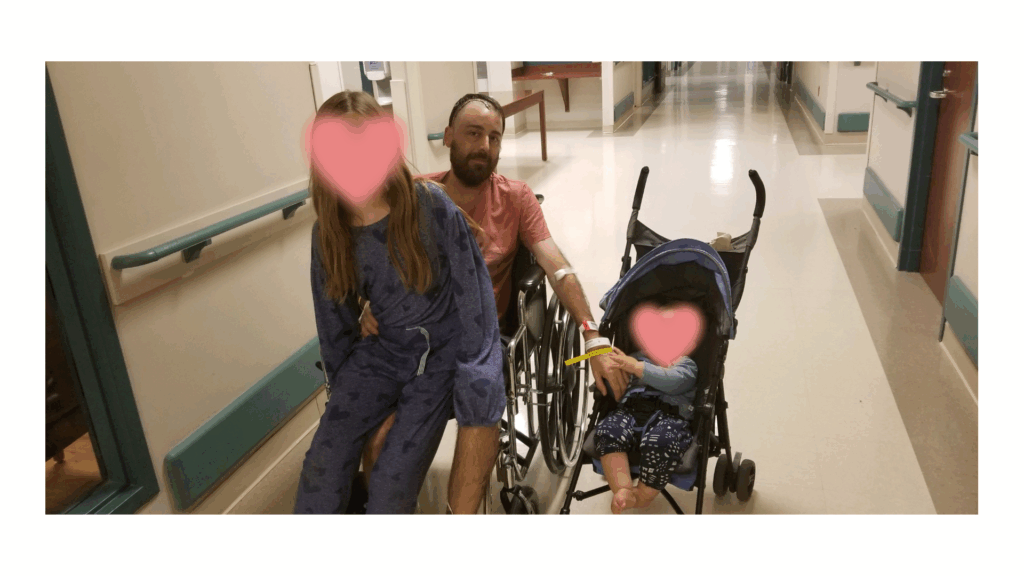
    When we couldn’t get Butler outside, we talked the nurses into allowing us to wheel him in his wheelchair around the floor. We would load Thomas up in the stroller, and Butler in his wheelchair, and we would walk lap after lap. The floor he was on was a large circle with 2 nurses stations in the middle, so it was perfect. I remember feeling like we were a disturbance to others around us. I don’t really think we were, but it felt like it. I really just wanted to be with my husband and kids. For us to feel some kind of normalcy again, and walking those laps around the hospital floor was normal at the time. We had so much fun doing that, and it helped keep Butler’s spirits up. He struggled whenever I took the kids home for the night. He would beg me to stay overnight, but with the kids I just couldn’t. His mom and sister took turns staying with him because none of us could bear the thought of him being alone. When I wasn’t with him at the hospital, he was blowing my phone up! At the time it broke my heart and stressed me out, because as soon as I would leave he would be calling and texting me asking where I was, when I was coming back. Now, we look back at those old text messages and laugh because he really was being quite silly! Not long before we were able to take him home, he had 34 staples removed from his head. According to Butler, it was incredibly painful to experience.

    Soon, there were discussions of Butler going to stay in a rehab facility downtown. Butler DID NOT want to go to a rehab facility. He wanted to go home! He was looking at 1 to 2 weeks in the rehab facility, and the thought of that made him absolutely miserable. At the time, I thought it was what he needed, and even though he dreaded it, I was prepared to drive downtown everyday to be with him through rehab. Then, literally overnight, the decision went from him going to a rehab center, to “He may go home TODAY!” TODAY?! I was not ready. We have 3 BIG dogs (my wonderful best friend had been keeping them in the weeks Butler was in the hospital. If you ever need a wonderful in-home boarder, contact The Hippie Mutt Hutt,) and a really small house. Butler was still somewhat unsteady on his feet, I had a baby, and I knew that there would be so much on my plate in helping him with the most basic things at home. It wasn’t that I wasn’t willing to do these things, but I was scared. I was so afraid he would fall at home because of the dogs. So afraid of what our new life held at home, outside of the hospital, outside of all the professional help. Could I handle all of that??

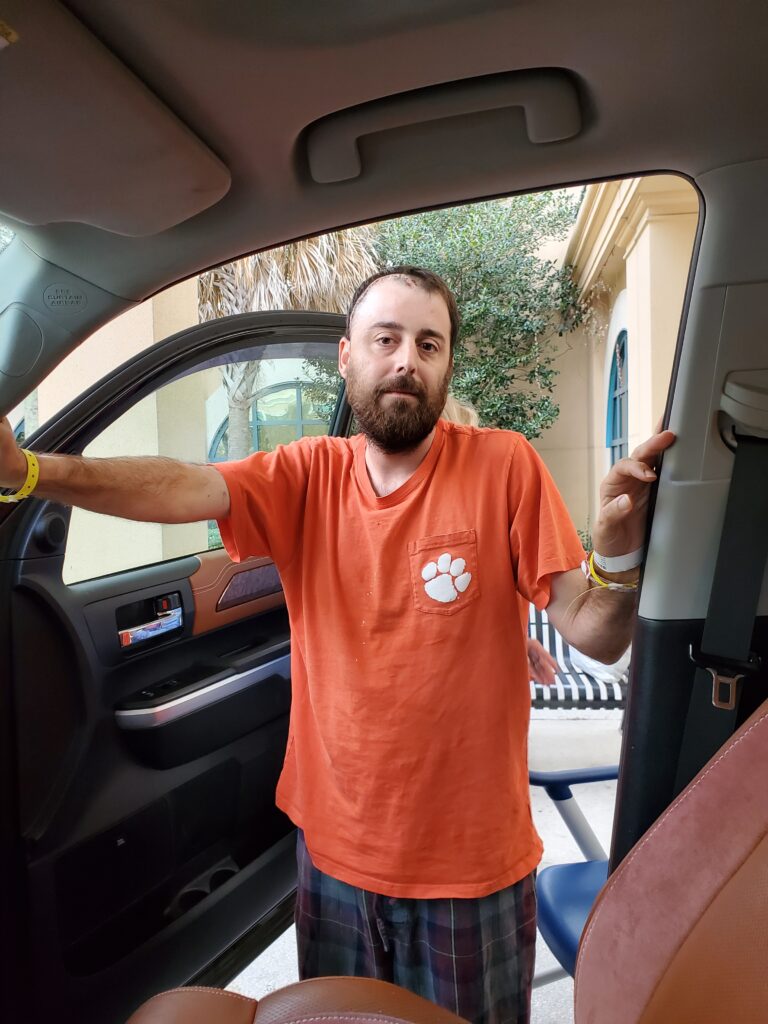
    On November 18, just in time for Butler to be able to enjoy Thanksgiving, he was released from the hospital, and we went home to continue his healing. From there, we would start his extensive treatment of radiation/chemotherapy, and face our new life together; navigating cancer and raising a family.

    If you’re still here, reading and keeping up, THANK YOU! Part 5 will be released soon.

  • Butler’s Brain Cancer Story – Part 3

    I want to thank everyone who has been taking the time to read and share Butler’s story. Writing this story out has been emotional and therapeutic for the both of us. I have Butler read every post before it goes live, and there are a lot of things he does not remember, so it’s helpful for him to be able to read his own story.

    **This post contains pictures that may make some viewers uncomfortable.**

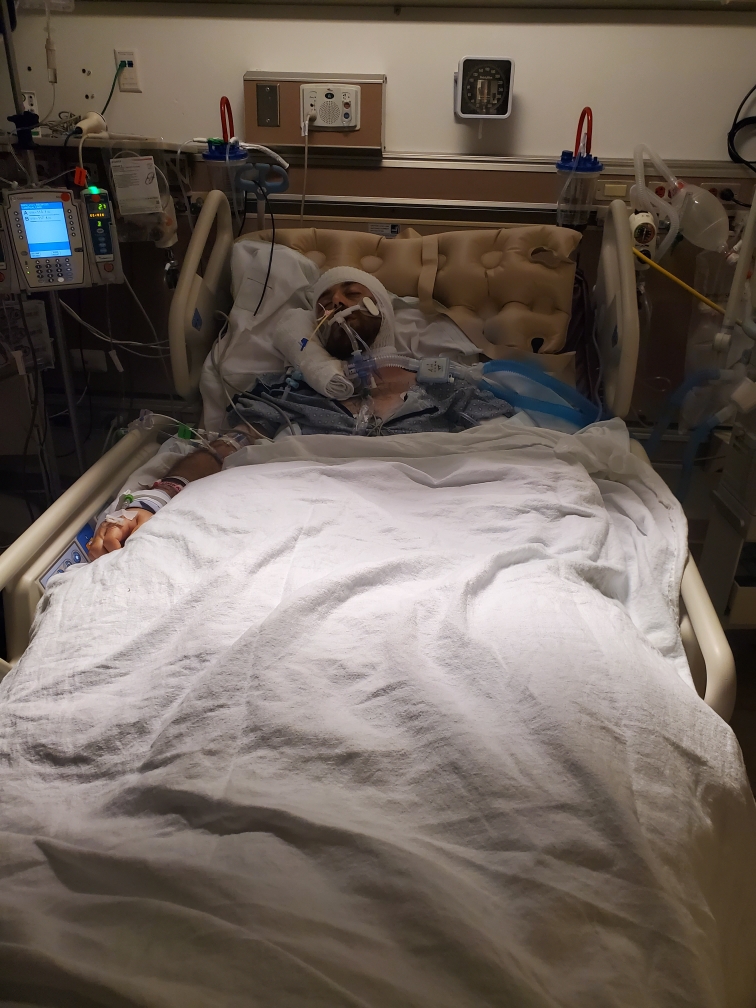
    For 7 days after Butler’s craniotomy and tumor resection, he was in a medically induced coma and intubated. He was depending on a ventilator to breathe for him. Every morning, the nurses would see how his lungs could function without the ventilator, and every morning was a decision to keep him on it. The more days went by, the more nervous I became. What if his lungs didn’t heal? I started to ask the doctors what happens if his lungs never get to a point where they could function off the ventilator? I never got a straight answer, and looking back, I think it’s because the actual answer would have been very grim. As they tested his lungs each morning, they would decrease the dose of sedative keeping him under just slightly. If I was there, I would talk to him, and he would squeeze my hand!! Sometimes he struggled, especially towards the end of his sedation. I think his body and brain was OVER IT. One frightening detail was that he had to be restrained while he was intubated, and one day I realized why. They decreased his sedative, were adjusting his position in the bed, and he was”awake” just enough to try to rip the intubation tube out of his throat. So yeah, he had to be restrained. I don’t know anyone who would want a tube down their throat though, the entire situation is wildly uncomfortable.

    Finally, on day 8, the nurses tested his lungs again. He had myself, and his Aunt Kathy with him. The goal was to let his lungs function on their own for 30 minutes without the ventilator. They decreased his sedation, and slowly decreased the amount of oxygen coming from the ventilator. Me and his aunt stood one on each side of him, cheering him on, watching the minutes go by on the clock. The closer we got to 30 minutes, the more we cheered. It was the most hope we had felt in a week. The more his sedation wore off, the more uncomfortable he became because he still had the intubation tube down his throat. After 30 minutes everyone in the room cheered because HE DID IT!!!! I cried with joy.

    I was so thankful to have my husband back with us. That week where he was in a coma, I had never felt more alone. I think it’s easy to take the most simple things for granted sometimes, and it’s not until you realize how easy it is to lose, that you realize how special they are to you. All I wanted was to hear his voice, to hear him tell me he loved me. I wanted to walk down our street holding hands with him and our kids again, like we did every day before. I wanted to hug him and hold him. These most basic things suddenly felt so far away, and that was one of the hardest parts of this situation. The most mundane things of your everyday life are actually so, so precious. This experience truly put our life into perspective for me

    It was difficult for Butler to talk for a few days, understandably. We didn’t know it then, but his voice would never completely come back. Very small percentages of people who are placed on a ventilator experience damage to the vocal cords that are permanent. He can speak clearly, but his voice sounds different, and he cannot project his voice like he used to be able to. Now that he was awake, we could evaluate his brain function, among other things. We learned that his vision was impaired. He lost any left sided peripheral vision in his left eye. It took about a year for us to learn that the vision loss was from his surgery, and not his stroke. If it was from his stroke, it would have regenerated. His tumor was pressing on his right eye, and the surgeon had to move an optic nerve to get the entire tumor. He also had some left sided weakness from his stroke.

    Butler’s heart was still weak, and needed time to heal and gain strength. So at this point, we were waiting for his heart to heal, his lungs to heal, and his brain to heal. But we were making progress in the right direction! Considering everything Butler had gone through, it truly was a miracle that he was doing as well as he was. I was worried about his memory; would he remember us? What WOULD he remember? He did not remember much of anything from the last 9 months before he went to the ER. He could tell me when we got married, his birthday, he knew we had 2 children. But those 9 months were just blank in his mind. He did have short term memory issues, which has definitely improved over time. It is amazing to see how the body can heal from even the most traumatic events over time. 18 months later, Butler’s heart is doing amazingly well, as are his lungs and brain.

    Butler started physical therapy as soon as he could. It took a day or so after he woke up to get some nutrition into him. He had been given nutrients through a feeding tube while he was intubated and still had to stick to a liquid diet while his throat healed. He had to learn how to walk again, especially given the left sided weakness from his stroke. From day one, he was determined to get back on his feet and be independent. Butler is not a man who enjoys having people taking care of him and waiting on him. His strength and determination amazed me.

    Part 4 is coming soon!

    You can find part one of Butler’s story here: Butler’s Brain Cancer Story – Part one and part two here: Butler’s Brain Cancer Story Part 2

  • Butler’s Brain Cancer Story Part 2

    It is important to note this story is read and approved by Butler before I post anything. The last thing I want to do is post anything sensitive or against my husband’s wishes.

    On November 1, at 3:22 pm after a heart attack, Butler’s neurosurgeon immediately took him to surgery to remove his brain tumor. It was the longest afternoon of my life. Our family filled an entire large waiting room while we all waited to hear how the tumor resection went. In a time where I felt so lonely, in limbo wondering what life held for my family, it was comforting to be surrounded by all of Butler’s aunts, uncles, siblings, cousins, and parents. Hours later, the neurosurgeon came out to let us know Butler was out of surgery, and that he miraculously was able to remove the entire tumor. The tumor would then be sent off to the Mayo Clinic for testing. (It is important to note at this point, we did not truly know whether or not his tumor was cancerous.) A lot of cases of GBM are not so lucky; often times the tumors are located deeper in the brain, putting the patient at risk for severe deficits if surgeons try to remove it. Sometimes the tentacle-like Glial cells wrap around ventricles and
    veins; making it impossible to successfully remove the tumor in its entirety.

    Butler was set up in ICU to recover from his surgery. He was put into a medically induced coma. The thing we learned about brain surgery, is the only way to heal the brain, is to sleep. Most of the time, patients with GBM will be put into a medically induced coma and intubated for 2, maybe 3 days before they are woken up, extubated, and can typically go home soon after. In Butler’s case, there were complications. When the neurosurgeon removed Butler’s tumor, the amount of pressure that was released in his brain caused a stroke that started in his tumor site, and ran down the ride side of his brain. He also had residual issues from his heart attack, which caused his heart function to drop down to 20%.

    I remember being so thankful my husband made it out of brain surgery alive. I was so thankful we had an answer for his “migraines,” that we were on the other side of that. He was ALIVE. What I didn’t know, was how long the road ahead of us was. That first day where his tumor was removed, sitting in the ICU waiting room with his family, was just day 1 of 18 long days.

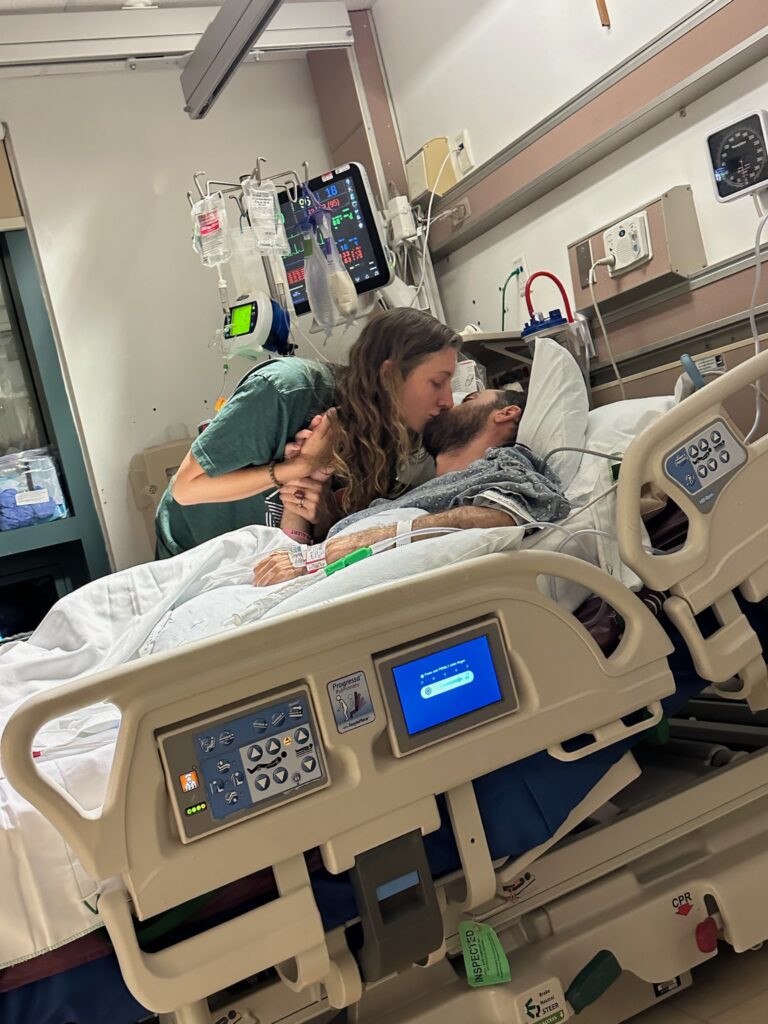
    Because Butler was in ICU, the amount of people that were allowed to visit was severely minimized. It is hard to remember exactly how the first few days went, but for the most part, me, the kids, and Butler’s immediate family would stay as late as we possibly could. We took turns going from the waiting room to his ICU room to sit with Butler. He was by far the youngest patient in ICU, and he definitely had the most vistors! The first few days post surgery, he was hooked up to an unbelievable amount of machines. When I was alone in the room with him, I would sing our favorite songs to him. I would talk to him about anything I could think about. I wanted him to hear me, to know he was not alone. At night, I would pack our children up, and make the long drive back home to Moncks Corner from West Ashley. Thomas was 8 months old at that time, and he HATED riding in the car, so every ride home at night was full of crying and screaming. I was completely numbed out. I am usually a very emotional person, but from the moment I found out Butler had a brain tumor, I went numb. I had no time for emotions, I had to mentally prepare myself to possibly take care of our children, of our life on my own.

    Every day consisted of waking up the kids, packing up any and everything we needed for a day at the hospital, and heading to West Ashley. Some people may question my decision to bring the kids with me to the hospital every single day. I was homeschooling Ella, (which was put on hold through this entire process) and exclusively nursing Thomas. We have always been a family that stayed together, so it made sense to keep them with me. The last thing Ella wanted was not to be at the hospital if her daddy woke up. Being with me, her daddy, and her brother was what brought her comfort.

    By day 3 or 4 of Butler’s medically induced coma, I was awakened by a phone call at 6 am from the hospital. Butler’s lungs could not handle being intubated, and his right lung collapsed. The doctors were calling me to get permission to put a chest tube in Butler. It was around this time the doctors decided to put a PICC line (Peripherally inserted central catheter) to deliver all of his medications to reduce the amount of times the nurses had to stick him with needles. I realized in that moment that as his wife, I was responsible for making these big decisions for him. I agreed to let the doctors put his chest tube in, and that started the process of days of waiting for his lungs to heal, so he could breathe on his own again. As long as he was intubated, he could not come out of his coma.

    Part 3 coming soon, stay tuned!

  • Butler’s Brain Cancer Story – Part one

    Go gray in may poster Royalty Free Vector Image

    Note: May is Brain Tumor Awareness month. This story is incredibly long so I will be posting this story as a series over the course of May to help bring awareness to brain cancer and its complexities.

    I’m starting this blog with the story of Butler’s brain cancer (Gliblastoma), because honestly, it is the catalyst that changed our lives forever. Even 18 months after his diagnosis, and post treatment, our daily lives are still affected.

    It is hard to pinpoint exactly when I started to notice symptoms of his brain cancer. He was diagnosed in November 2023, after I had to just about force him to go to the emergency room on Halloween. For about a year and a half I noticed behavioral and personality changes. He was more grumpy, withdrawn, had less patience, and the man I knew with tons of ambition and a “go getter” attitude was fading away. I remember about a month or so before he went to the emergency room he was taking his time getting to work one day; being slow, stopping the truck to look at stray cats, but WE WERE LATE to open our store!! Where was the man who insisted on being punctual everywhere we went? I did not understand what was happening to my husband, but all of these things could easily be explained away by very basic things.

    We moved from Florence, South Carolina back to my husband’s hometown of Moncks Corner, SC in June of 2022. This is around the time I was starting to notice his behavioral/ personality changes. I thought it was the stress of closing one store, and opening another in our hometown, moving, or maybe a new baby on the way. It is a lot of pressure being the sole provider for your family. By about April of 2023, Butler started to experience headaches, that soon evolved into full blown migraines. Every day, the headaches were there. I found out (after the fact) that he would open up our mattress store, and then go to sleep in his office because the pain was just too much to handle. He did not disclose the severity of his headaches for a very long time. The behavioral changes became more noticeable, and less easy to ignore.

    By October of 2023, I was homeschooling our daughter, taking care of our young baby, and running our mattress store the majority of the time. I didn’t realize it then, but my husband had quit smiling. He had quit enjoying the most basic things in life and had become a shell of his former self. Things like the closing of a car door would make him wince in pain. He was constantly wearing his sunglasses because the lights were too bright all of the time. He was in bed more than he wasn’t. We took him to an ENT doctor, who found nothing, even after taking a CT scan of his face. The ENT doctor sent in a referral to a neurologist, who never called me to schedule an appointment until my husband was in ICU in a come weeks later.

    On Halloween, as I prepped the kids costumes, I realized Butler had not left the bed in almost 48 hours. He slept constantly, did not eat, and did not even touch the bottle of water on his nightstand. I decided this couldn’t go on any longer. Even after repeatedly suggesting he needed to go to the emergency room, he repeatedly told me there was nothing they could do for him. Looking back, that made me realize how out of touch he had become. I called his mother crying, asking her to please come to our house and make him go to the emergency room. I was almost mean to him when I tried to get him out of bed to go. At the time, I felt it was the only way I could get this stubborn man to listen to me. Looking back, it is a moment that I regret.

    Within an hour of Butler’s mom taking him to the emergency room, a CT scan showed a tumor on Butler’s right frontal lobe roughly the size of a tennis ball. The midline of his brain had completely shifted. His migraines weren’t migraines at all, it was pressure from how large the tumor was. I packed up the kids, not knowing when I would be home again, and headed to the emergency room. He was transferred to Roper St. Francis Hospital in West Ashley that night. There wasn’t a single pain medication that could put him at ease. Morphine, Fentanyl, nothing touched it. Finally, the doctor gave him Dilaudid, which apparently is not handed to patients very freely. Immediately, Butler made the comment he did not feel right, and his heart rate dropped to 32 BPM. I told the nurse to note in his chart his body did not react well to the Dilaudid, and not to administer anymore to him. In between the time he was given the first dose, transferred, and me getting to the hospital the next morning, he was given 2 more doses. He was taken to CT 10 minutes after his 3rd dose, and when they wheeled him back to the room, I witnessed him code. He had a heart attack, and had a pulmonary embolism as a result. I thought I was watching the love of my life die right there, and I fought passing out as hard as I could. Our life was falling apart before my eyes.

    His doctors initially scheduled his craniotomy and tumor resection for November 3rd, but after his heart attack they decided to operate immediately. On November 1, at 3:22 pm, Butler’s neurosurgeon worked to remove the very large tumor that was pressing on his brain.

    This concludes part one of Butler’s Brain Cancer story. Follow along for part two.

Verified by MonsterInsights